
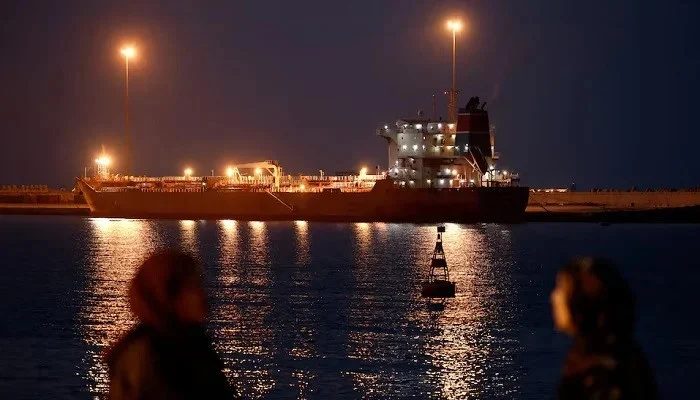
Middle East crude oil exports rose above pre-war levels on four of the seven days in the final week of September despite vessel attacks in the Strait of Hormuz, shipping data showed on Monday. Provisional data from ship-tracking firm Kpler indicated that regional exports reached between 19.5 million and 22.5 million barrels per day on September 24 and from September 27 to 29.
Exports had averaged 18 million bpd between March 2025 and February before the US-Israeli war with Iran began, while the seven-day moving average stood at 18.5 million bpd on October 1. The data includes shipments through the Strait of Hormuz and Red Sea, terminal exports, and ship-to-ship transfers in the Gulf of Oman, with the overall tally for crude, oil products, chemicals, and non-gas liquids averaging 22.4 million bpd in the seven days to September 30.
Liquefied natural gas cargo exits through the Strait of Hormuz also rose in September to the highest monthly level since February, though figures exclude vessels crossing with transponders off. Before the war began on February 28, the strait typically handled about 125 large commercial vessels a day and accounted for about 20% of the world's daily crude oil and LNG supply.
Despite the flow recovery, at least seven tanker attacks have occurred in and around the strait, shipping intelligence firm Marisks reported on Saturday. The very large crude carrier Kazimah III was reportedly struck by an unknown projectile on October 1 in the strait, causing an onboard fire.
"All crew members were reported safe and were subsequently evacuated from the vessel," Marisks said, noting the tanker previously discharged 2 million barrels of Kuwaiti crude at Oman's Ras Markaz port on September 17. The Kuwait Oil Tanker Company did not immediately respond to a comment request, while the United Kingdom Maritime Trade Operations agency has reported at least one daily attack in the Strait of Hormuz or Gulf of Aden since October 2.
Marisks warned that merchant vessels transiting the strait face a heightened and unpredictable kinetic threat amid rising traffic. Intelligence suggests Iranian forces may be launching missiles into a predetermined engagement area or 'kill box' where weapons lock onto radar signatures, making physical presence within the zone the primary exposure.